

Five things we consider before recommending a piece of merchandise
A good merchandise recommendation isn't simply a product that looks good in a catalogue. It needs to make sense.
There are thousands of products that can be branded, but that doesn't mean they're right for every brand, audience or occasion. Before recommending a product, we look beyond the product itself and consider the bigger picture.
Here are five questions we think are worth asking.
1. Who is receiving it?
The audience should influence almost every decision.
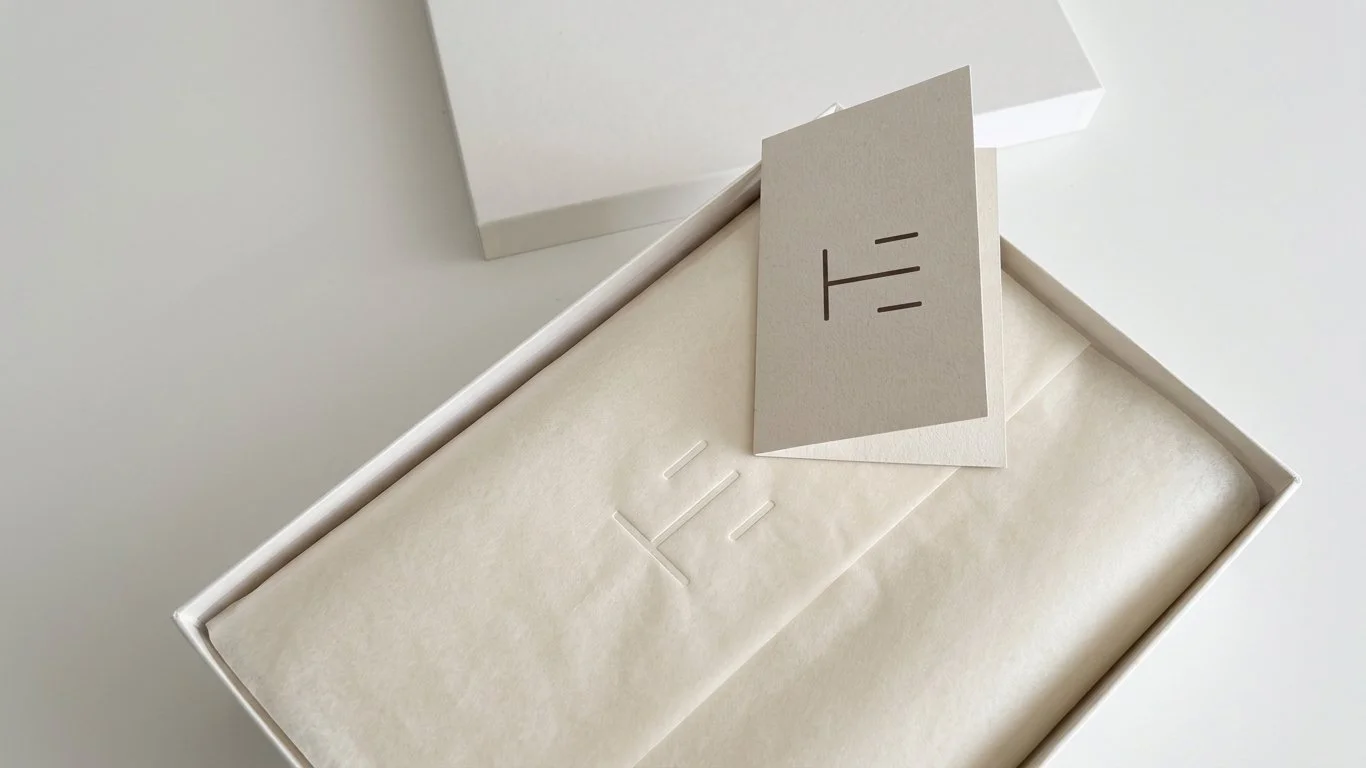
An employee welcome gift is very different from a conference giveaway. A gift for a long-term client requires a different level of consideration to something being handed out to hundreds of event attendees.
The recipient's age, interests, lifestyle, relationship with the brand and the occasion all play a role. For example, something practical and everyday might work well for an employee welcome kit, while a VIP client may warrant something more considered, personalised or elevated.
There's also a question of context.
Where will they receive it? How will they receive it? And what do we want that moment to feel like?
Understanding the recipient is the starting point. Without it, even a great product can miss the mark.
2. What will they actually use?
Usefulness matters.
A product can look great, but if it ends up sitting in a drawer, it's probably not doing much for the brand. We always consider whether something has a genuine place in the recipient's life.
Will they use it at work? Take it travelling? Keep it on their desk? Wear it on the weekend? Bring it to their next event?
The more naturally a product fits into someone's routine, the more valuable it becomes. A product that gets used regularly creates repeated exposure to the brand without feeling like advertising. The goal isn't necessarily to find the most interesting product.
It's to find something people will actually want to use.
The best products don't need to fight for attention. They naturally become part of someone's routine.
3. Does it feel like the brand?
A product can be beautiful and still be completely wrong for a particular brand.
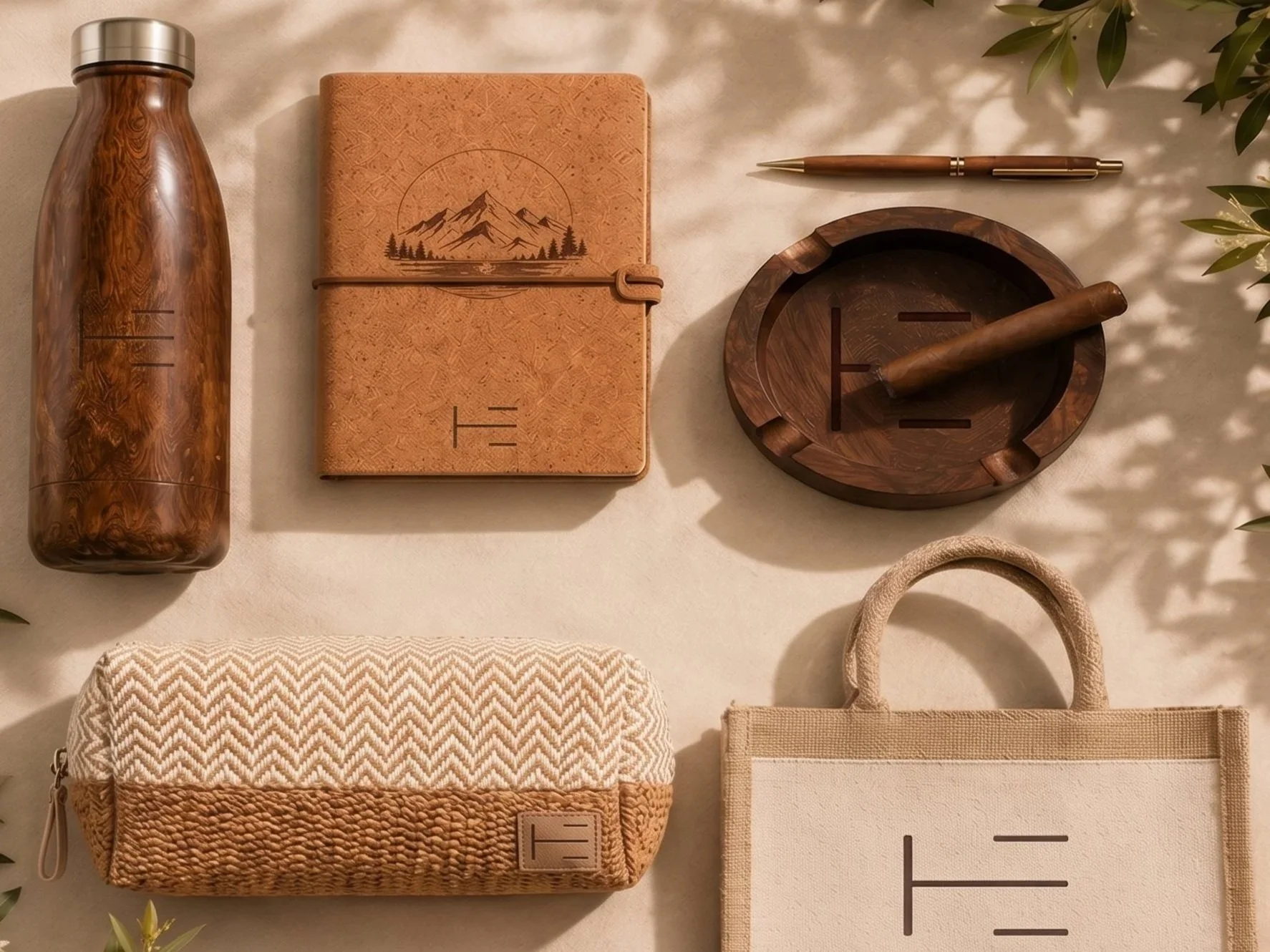
The right merchandise should feel like a natural extension of the brand, not something chosen in isolation. Colour, material, finish, shape, branding style and packaging can all change how a product is perceived.
For a luxury brand, that might mean understated branding, elevated materials and attention to detail.
For a technology company, it could mean functionality, innovation and a clean, modern aesthetic.
For a hospitality brand, it might be about creating a more tactile or experiential connection.
There isn't one formula for good merchandise.
The product needs to make sense for the brand behind it.
4. Is the quality appropriate?
A brand's perceived quality can be reinforced or undermined by the products it puts into the world.
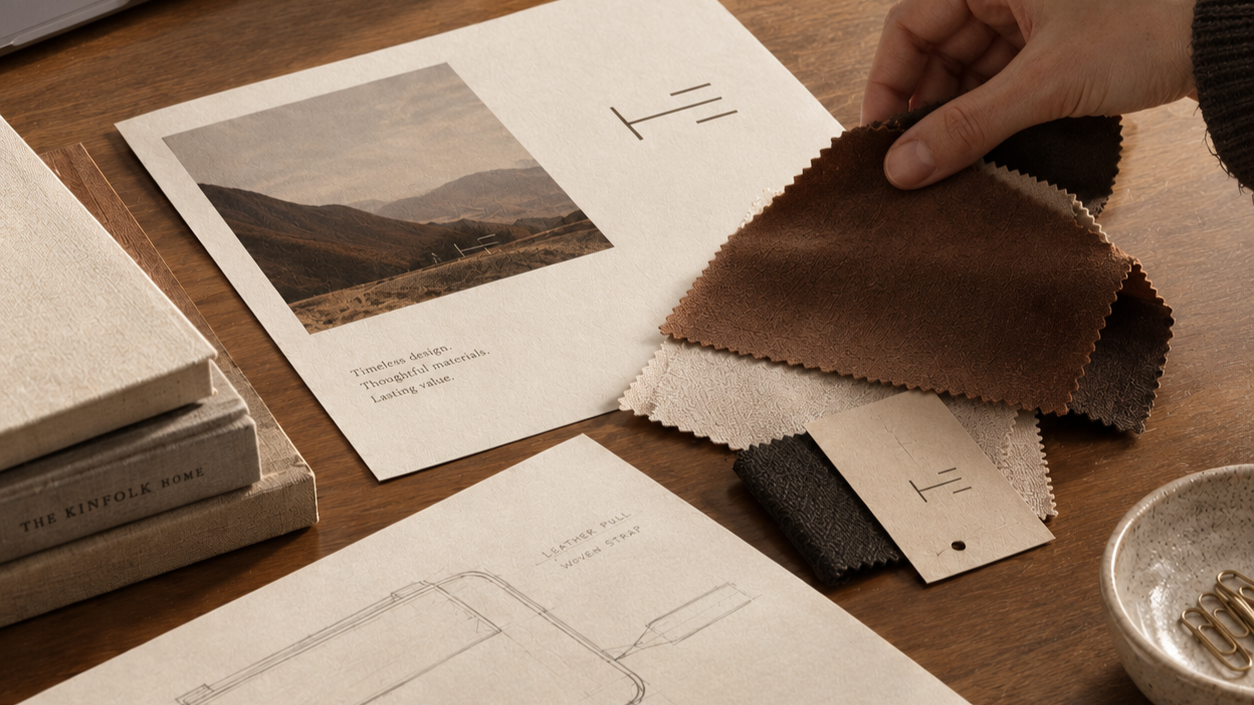
Quality is another important consideration, particularly when merchandise is being given to clients, customers or employees. The right quality level depends on the audience and the objective.
The product you're putting into someone's hands reflects back on the brand. That doesn't necessarily mean choosing the most expensive option. It means choosing a quality level that makes sense for the audience, occasion and overall brand positioning.
A premium brand giving away a poorly made product can create a disconnect between what the brand says it stands for and what the recipient actually experiences. On the other hand, the right product at the right quality level can reinforce the brand's positioning.
The question isn't always "How much does it cost?" It's "Does it feel right for our brand?"
5. Would they keep it without the logo?
This is perhaps the simplest test of all.
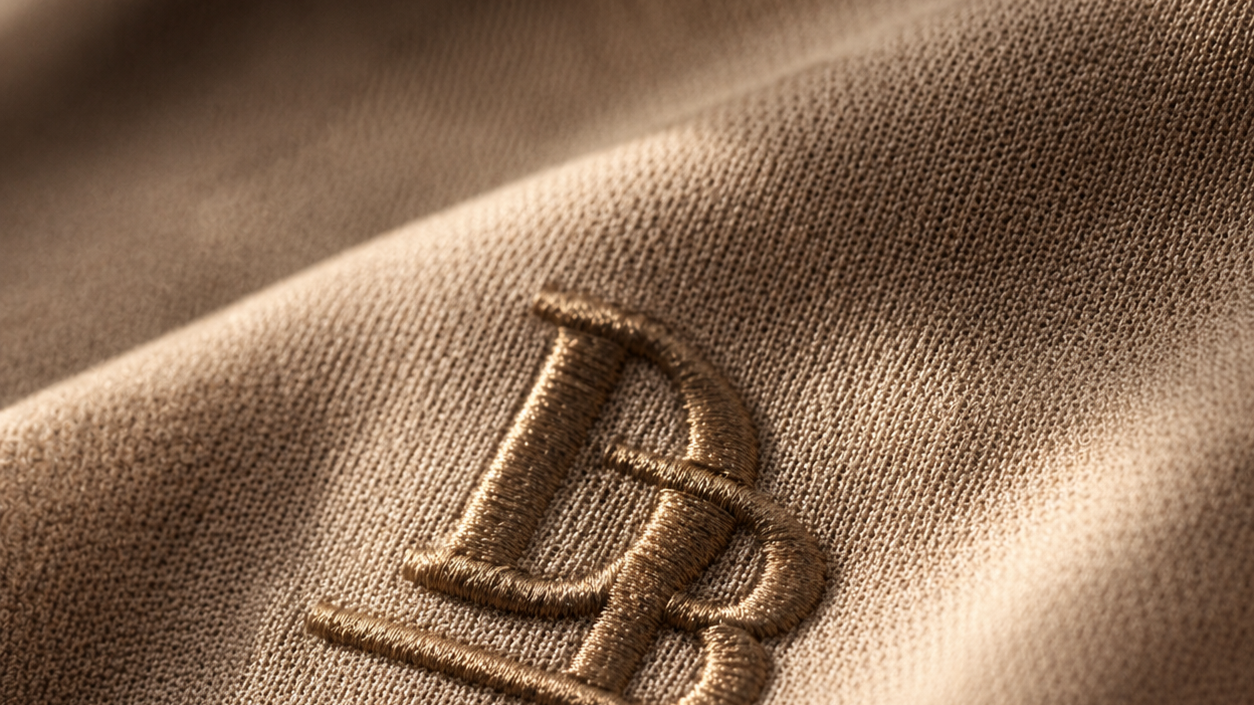
Would someone actually want this if the branding wasn't there?
If the answer is yes, you've probably found a strong product. The product has value in its own right. The branding then adds another layer of meaning and connects it back to the brand. That's when merchandise becomes more than a promotional item. It becomes a brand experience. It becomes something people choose to keep, use and potentially associate with the brand long after the initial interaction. That's ultimately what we're looking for.
Not simply a product with a logo on it, but something that has a reason to exist beyond the logo.
The right product isn't always the obvious one
There is no shortage of products to choose from. The challenge isn't finding something that can be branded.
It's finding something that should be branded.
When the audience, purpose, product and brand all align, merchandise becomes much more than a giveaway.
It becomes another way for people to experience your brand.